
Что такое виртуальная машина Ethereum (EVM)?

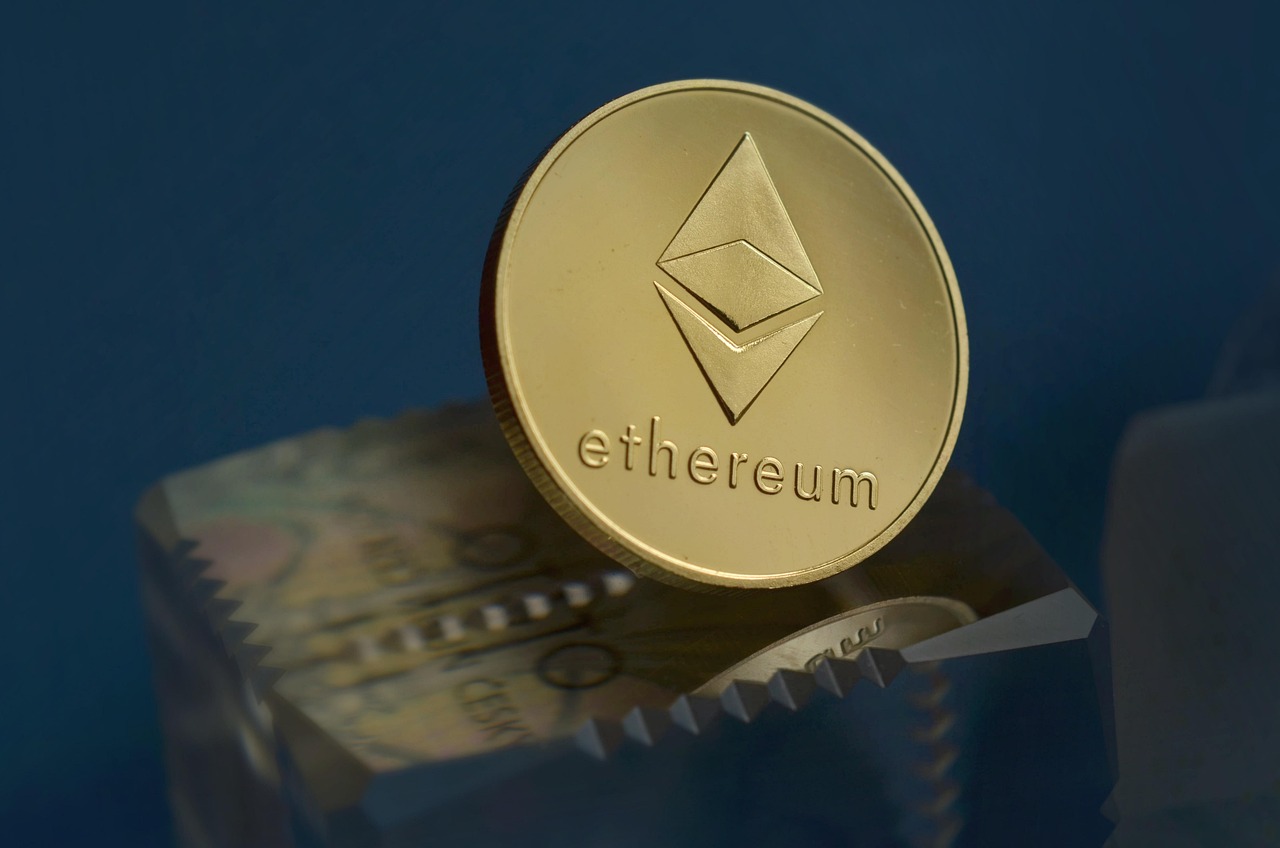
Когда Виталик Бутерин проектировал Эфириум, он стремился не просто запустить еще один блокчейн, а кардинально расширить возможности данной технологии. В итоге удалось создать первую сеть, поддерживающую смарт-контракты — алгоритмы, которые самостоятельно выполняют заложенные в них условия. Их работу поддерживает виртуальная машина Ethereum (EVM) — ключевой компонент сети, который обеспечивает ее вычислительную мощность и автоматизацию.
В данном материале вы найдете подробную информацию про EVM: что это такое, каково назначение данной технологии, в чем заключаются ее достоинства и ограничения.
- Что такое EVM?
- Основные функции EVM
- Как работает EVM?
- Понятие газа (gas) и его роль в вычислениях EVM
- Преимущества и ограничения EVM
- EVM-совместимые блокчейны
- Примеры использования EVM
- Перспективы развития EVM
- Заключение
Что такое EVM?
Ethereum Virtual Machine — это программная среда, которая отвечает за выполнение условий “умных контрактов” и работу децентрализованных приложений (DApps) в сети Эфириум. Проще говоря, EVM — это глобальный распределенный компьютер, который теоретически способен выполнить любые вычислительные задачи, имея достаточно ресурсов.
Основные функции EVM
Виртуальная машина играет ключевую роль в работе ETH-блокчейна:
Выполнение кода смарт-контрактов
Когда пользователь инициирует новую операцию, EVM запускает код алгоритма и выполняет заданные условия. Каждый узел Ethereum (компьютер или сервер, поддерживающий работу сети) имеет свою копию виртуальной машины, которая автономно обрабатывает транзакции. Это гарантирует, что смарт-контракт выполнится одинаково на всех устройствах, независимо от их местоположения или конфигурации.
Поддержка безопасности и децентрализации операций
Сеть с EVM получает дополнительную защиту от атак и мошенничества. Выполняемый код смарт-контрактов изолирован от основной системы блокчейна и не может нанести ей вред.
Кроме того, EVM исключает централизованный контроль над операциями, а большое количество узлов делает сеть устойчивой к цензуре и сбоям. Даже если часть из них выйдет из строя, остальные продолжат поддерживать работу блокчейна.
Поддержка разработки и развертывания DApps
EVM позволяет создавать DeFi-сервисы, игры, NFT-маркетплейсы и многое другое.
Смарты-контракты создаются с использованием языка программирования Solidity. В процессе разработки код алгоритмов преобразуется в формат, понятный EVM. Благодаря этому DApps могут корректно работать на всех устройствах.
Как работает EVM?
EVM управляет двумя типами состояния блокчейна Эфириум:
- На уровне машины отвечает за выполнение транзакций в режиме реального времени, выполняя код алгоритма и расходуя ресурсы узла.
- На общем уровне хранит данные смарт-контрактов, балансы кошельков и результаты выполненных сделок.
Понятие газа (gas) и его роль в вычислениях EVM
Газ — это специальная единица измерения ресурсов в сети Ethereum, которая выполняет две важные функции:
- Определяет стоимость вычислений. Каждая операция в EVM требует определенного количества газа — чем сложнее код, тем больше ресурсов он потребляет.
- Защищает сеть от перегрузки. Если бы транзакции были бесплатными, злоумышленники могли бы запускать бесконечные вычисления и блокировать сеть.
При совершении транзакции пользователь устанавливает лимит Gas Limit — максимальное количество ресурса, которое он готов потратить. EVM выполняет код, расходуя газ. Если ресурса слишком мало, транзакция не завершится, но отправитель потеряет уже потраченный газ. Если лимит высокий, но реальное потребление меньше, остаток возвращается пользователю.
Преимущества и ограничения EVM
Выяснив, что такое EVM, рассмотрим плюсы и минусы данной технологии.
Преимущества
EVM поддерживает:
- Децентрализацию.Каждый желающий может разрабатывать и развертывать “умные контракты” на блокчейне Эфириум без предварительных разрешений.
- Безопасность. EVM выполняет код в изолированной среде, защищая сеть от атак и ошибок.
Ограничения
Виртуальная машина Эфириума имеет также и недостатки:
- Высокие комиссии и низкая скорость. Обработка ограниченного количества транзакций в секунду замедляет работу сети, а при высокой нагрузке операции становятся дорогими.
- Риски ошибок. Уязвимости в коде могут привести к финансовым потерям, а исправление или обновление уже развернутого алгоритма — сложная и дорогостоящая задача.
EVM-совместимые блокчейны
Некоторые сети используют ту же виртуальную машину, что и Ethereum. Рассмотрим подробнее их виды:
- Сайдчейны. Сети поддерживают EVM, но работают по своим правилам. Они уменьшают нагрузку на Ethereum и снижают стоимость транзакций. Примеры сайдчейнов: Polygon PoS (оптимально для DApps), Gnosis Chain (децентрализованная сеть с уклоном на безопасность), Loom Network (платформа для игр и соцсетей на блокчейне).
- Решения второго уровня (Layer 2, L2). Такие EVM-сети работают поверх блокчейна Ethereum. Они используют технологии Rollups, объединяя множество операций в одну, и ускоряя транзакции. Примеры: Optimism (акцент на скорость), Arbitrum (дешевые и безопасные транзакции), zkSync (мгновенные переводы).
Совместимые EVM-сети — это технологии, которые дают возможность программистам переносить DApps из Эфириума на другие системы без переписывания кода, а инвесторам — экономить на комиссиях.
Для взаимодействия с виртуальной машиной Эфириума и совместимыми блокчейнами требуется криптокошелек, способный генерировать EVM-address. Что это значит? Речь идет о сервисах, которые дают возможность не только хранить и отправлять криптовалюту, но и активно использовать DApps, смарт-контракты и NFT. Они имеют закрытые криптографические ключи, позволяющие управлять активами и подписывать транзакции, а также открытые, — на базе которых создается EVM адрес. Это публичный идентификатор (строка символов), который используется для получения средств и прочих действий на блокчейне.
Примеры использования EVM
Ethereum Virtual Machine подарила инвесторам и криптомиру множество инноваций, снизив зависимость от банков и других централизованных систем.
Токены ERC-20
“Умные алгоритмы” позволяют создавать и управлять цифровыми активами, например, токенами стандарта ERC-20. Они используются в платежных системах, проектах DeFi, а также для выпуска стейблкоинов.
Децентрализованные биржи
На DEX-платформах можно обменивать криптовалюту без посредников через смарт-контракты. Автоматические маркет-мейкеры формируют ликвидность, упрощая торговлю.
NFT
Это своеобразные сертификаты, которые подтверждают уникальное владение цифровыми объектами (искусство, музыка, игровые предметы). Смарт-контракты и ЭВМ используются для создания NFT-коллекций.
DeFi-кредитование
“Умные контракты” позволяют выдавать средства и брать их взаймы без банков. Финансы доступны под залог криптовалюты, при этом кредиторы могут зарабатывать на процентах.
Перспективы развития EVM
Дорожная карта Эфириум предусматривает множество инициатив, которые оптимизируют работу его виртуальной машины. На 2025 год планируется обновление Pectra, пакет которого включает несколько улучшений:
- EIP-7702 позволит пользователям временно программировать кошельки как смарт-контракты и выполнять более сложные операции. Также при выполнении транзакций отправитель сможет делегировать плату за газ другим пользователям.
- EIP-7251 повысит максимальную сумму ставки валидаторов с 32 ETH до 2048 ETH, избавив их от необходимости разделять сумму на множество узлов.
Заключение
EVM изменила принципы работы блокчейнов, открыв путь для создания смарт-контрактов и DApps. Сегодня она служит фундаментом не только для Ethereum, но и для множества других сетей, обеспечивая разработчикам универсальную платформу для инноваций. Технология продолжает развиваться, и предстоящие обновления обещают сделать взаимодействие с блокчейном еще более гибким и удобным, а транзакции — быстрее и доступнее.
Ищете надежный и быстрый сервис, чтобы купить Эфир?
ObmenAT24 позволяет приобрести крипту за наличные во всех крупных городах Украины. Гарантируем выгодные курсы, высокие резервы, безопасность и анонимность.